Friction-maxxing: choosing the hard way to actually connect
 By Kenneth Kintsugi, holistic relationship specialist · Jul 24, 2026 · 4 min read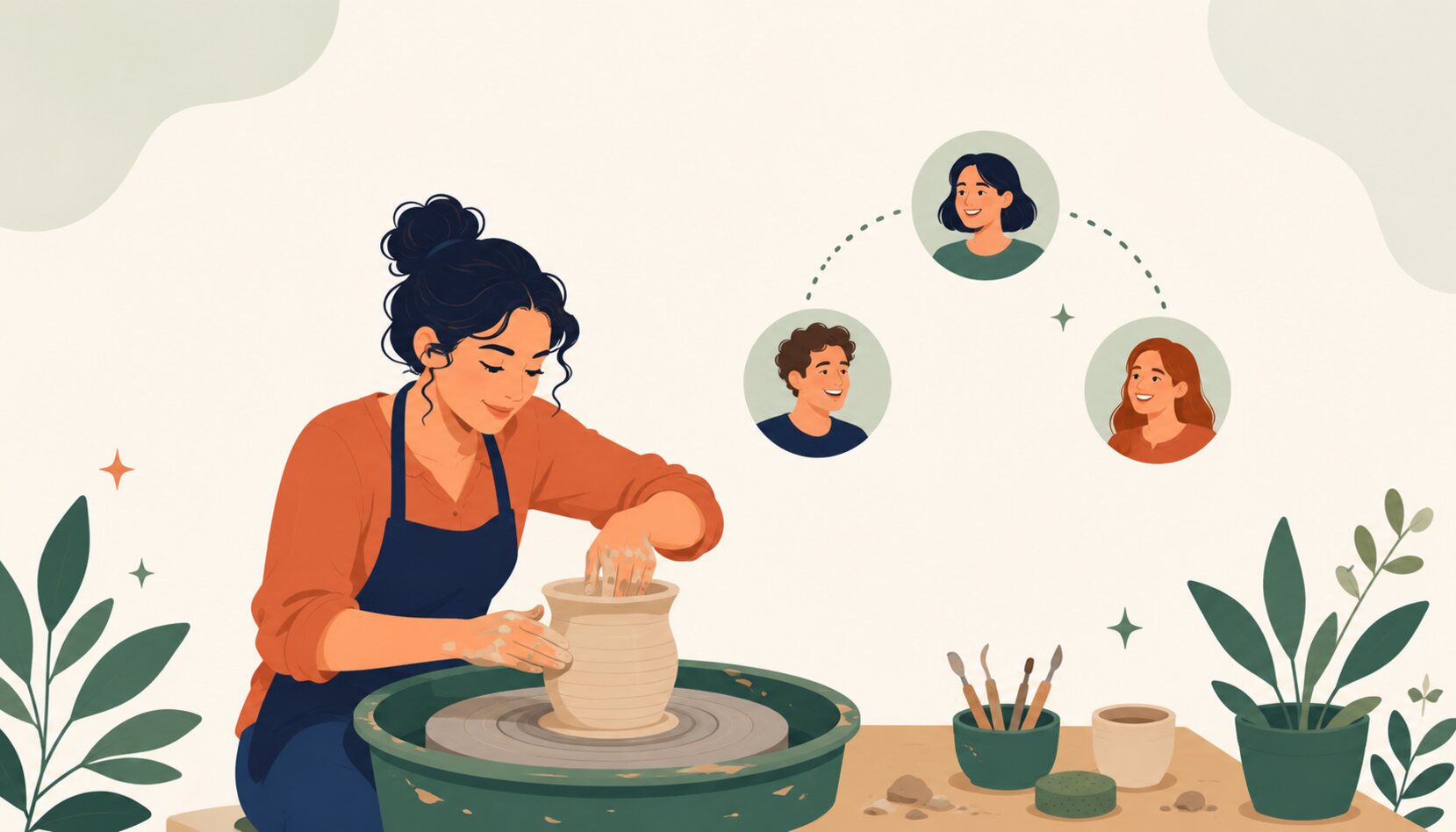
Friction-maxxing is the 2026 trend of deliberately choosing the harder, less convenient option over the easy one, because some experiences only feel meaningful when they take real effort. Applied to friendship, it explains exactly why the group chat never quite feels like enough.
Every convenience of the last decade promised to make life easier, and mostly delivered. Groceries arrive without a store, group plans get replaced by a thread nobody has to leave the house for, boredom gets filled before it even sets in. Friction-maxxing is the quiet 2026 backlash to all of it: the growing sense that some of what got optimized away, effort, awkwardness, showing up in person, wasn’t friction to be removed. It was the whole point.
Where the term comes from
Columnist Kathryn Jezer-Morton coined it in a January 2026 essay for The Cut, “In 2026, We Are Friction-Maxxing,” arguing that technology has spent a decade training people to treat ordinary, effortful experiences, boredom, social awkwardness, doing something by hand, as problems with an app-shaped solution. Forbes and others picked it up soon after: choosing the harder way, on purpose, as something worth building tolerance for again, not just enduring.
What it looks like applied to friendship
Nowhere fits the idea better than friendship, where the frictionless option has quietly become the default one. It’s easier to like a story than call someone. Easier to exist in a group chat than show up to the thing the group chat is about. Easier to let “we should hang out sometime” stay a sentence instead of a plan. None of that is a moral failing, it’s just the path of least resistance, and it’s also quietly why so many people feel more connected on paper than they do in practice.
Friction-maxxing applied to friendship looks like the opposite choice at each of those forks: showing up to the in-person thing instead of just following along online, committing to a recurring plan instead of an open-ended maybe, sitting through the awkward first twenty minutes of a new group instead of retreating to a screen where nothing is ever awkward. The inconvenience isn’t a bug in the plan. It’s most of what makes it real.
A decade of convenience didn’t make people less lonely. It just made loneliness more comfortable to sit inside of.
The catch: friction alone doesn’t make friends
Here’s where the trend, left on its own, stalls out. Showing up once, to the wrong room, with the wrong people, still just gets you one awkward hour and a story about the time you tried a pottery class alone. Friction-maxxing removes the excuse of convenience, it doesn’t solve the actual problem, which is that real friendship needs the same people, in the same room, more than once. That’s not an effort problem anymore. It’s a matching and scheduling problem, and no amount of choosing the hard way fixes it by itself.
Friction-maxxing, done for you
That’s the gap NexSpark Friends is actually built to close. We do the inconvenient part that matters, matching you with people you’re genuinely compatible with, then we make the recurring, in-person part easy to actually follow through on: a small Circle of four to six people, with real meetups planned on a schedule, not an open-ended thread waiting for someone to propose a date. You still show up. You still put in the effort the trend is right about. You just don’t have to gamble on the room being the right one.
Common questions
What is friction-maxxing?
Friction-maxxing is the deliberate choice of a harder, less convenient option instead of the frictionless one, on the theory that some experiences only feel meaningful when they require real effort. The term was coined by columnist Kathryn Jezer-Morton in a January 2026 essay for The Cut.
Where did the term come from?
Kathryn Jezer-Morton introduced friction-maxxing in her January 2026 essay for The Cut, “In 2026, We Are Friction-Maxxing,” arguing that a decade of tech-driven convenience had quietly trained people to treat boredom, effort, and social awkwardness as problems to eliminate rather than normal parts of life. Forbes and others picked it up shortly after.
What does friction-maxxing look like applied to friendship?
Showing up to an in-person hobby instead of scrolling a group chat about it, committing to a recurring plan instead of an open-ended “we should hang out sometime,” and tolerating the initial awkwardness of a new group instead of retreating to the comfort of a screen. The inconvenience is the point, not a flaw to route around.
Does friction alone make friends?
No. Friction-maxxing removes the excuse of convenience, but showing up once, to the wrong room, still just gets you one awkward hour. Real friendship needs the same people, in the same room, more than once, which is a scheduling and matching problem friction alone doesn’t solve.
Keep reading
The signs
Digital friendship burnout
When too much shallow, screen-based contact still feels lonely.
Comparison
Why a lasting Circle beats one-off dinners
A room isn’t a friendship. Why the same small group, again and again, is what makes friends.
A different pace
The case for slow friendship
Why the best friendships resist being rushed, or constantly maintained.
The same team also runs a matchmaking service
NexSpark Matchmaking is a separate service on a separate site, run by the same people and built on the same compatibility work. Entirely optional and nothing to do with your Circle. If you are curious how it works, read whether matchmaking is actually worth it.